
More Than Half of Teen Girls Feel Persistently Sad. Here's What Schools Can Actually Do About It.
Mar 05, 2026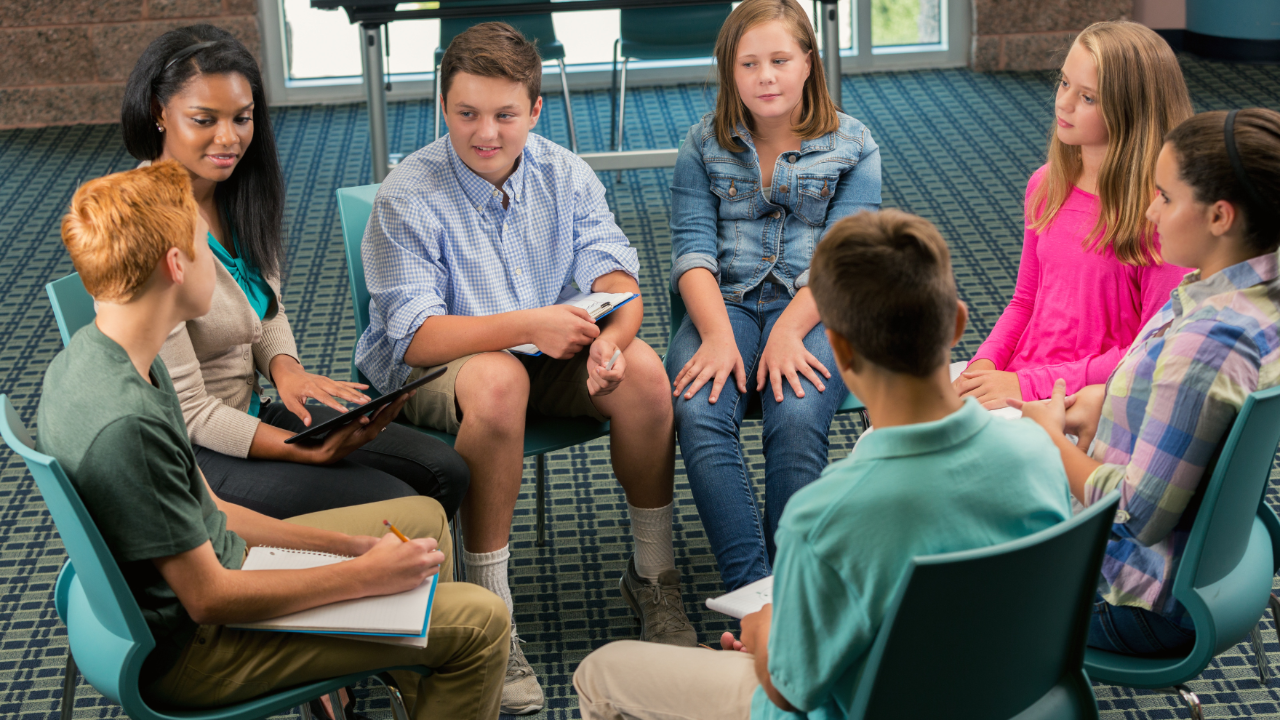
The number is hard to sit with: 52.6% of teenage girls - more than half - reported feeling persistently sad or hopeless in the most recent CDC data. Not occasionally. Persistently.
That's the 2023 figure. In 2021, it was 57%. The modest improvement matters, but it doesn't change the picture: we're still at historically elevated levels, roughly 47% higher than a decade ago. The crisis didn't peak and pass. It stabilized at a level that would have been unthinkable in 2013 when FearlesslyGiRL was just getting started.
And schools are trying to address it with a mental health infrastructure that was never designed for this scale.
The national student-to-counselor ratio is currently 372:1, nearly 50% above what the American School Counselor Association recommends. 58% of schools reported an increase in students seeking mental health services last year. Only 52% believe they can effectively serve all students who need support. The federal relief funds that temporarily expanded mental health capacity have expired, and replacement funding has been dramatically cut.
This is the structural reality. Not a failure of effort -- a failure of infrastructure.
So what does the research say actually works?
Consistent, trusted relationships over time.
Not a single assembly. Not a mental health week. Relationships -- the kind built over months, not moments.
Researchers studying school connectedness, defined as students' sense of belonging and being cared about at school, have found it's the single most powerful protective factor for adolescent wellbeing identified in longitudinal research. The numbers are striking: when school connectedness is present, rates of poor mental health among students drop by nearly half. Effects are stronger for girls than boys. They show up in the data more than a decade later.
This is why peer mentorship programs are quietly becoming one of the most effective tools schools have. When younger girls are consistently connected to older students who have been trained to listen, to lead without lecturing, to hold space without trying to fix everything -- something shifts. School feels safer. Loneliness decreases. The invisible girls start showing up differently.
And this makes sense when you consider how adolescent girls actually communicate. They share things with each other they would never say to an adult. The research on relational aggression -- the exclusion, rumor-spreading, and social manipulation that is the dominant form of bullying among girls -- shows it is also the kind least likely to be disclosed to adults. Girls talk to girls. A well-designed peer mentorship program builds that dynamic into the school day with structure, training, and curriculum behind it.
What this looks like in practice
Three major meta-analyses conducted over two decades show consistent, meaningful outcomes from youth mentoring programs. The key word in that research is "sustained." Mentoring relationships that end too early don't just fail to help - they can actually cause declines in self-worth for vulnerable youth. Relationship continuity isn't a nice feature. It's the mechanism.
This is why the programs that work aren't one-off events or loosely structured buddy systems. They're year-long, curriculum-guided, facilitated by trained students who show up every week for the same group of younger girls.
What schools actually need right now
More than half of school leaders cite inadequate funding as their primary barrier to expanding mental health support. The counselors who were hired during the federal relief period are being laid off. The gap between what students need and what schools can provide is widening.
The answer isn't to wait for the infrastructure to catch up. It's to build programs that work within the reality schools are operating in - programs that are free, turnkey, low-burden for staff, and designed to produce the one thing the research keeps pointing back to: sustained, trusted connection.
That's what our FearlesslyKiND Mentorship Program was built to be. A year-long, corporate-funded, open to all, peer mentorship program that costs schools nothing, runs on a complete 30-week curriculum, and puts the students who are already informally mentoring their peers into a real, trained, supported leadership role.
If your school is navigating this crisis and looking for something that actually has a chance of making a dent, apply for our school waitlist here.
You're one step away from exclusive weekly content in the FearlesslyGiRL Edit.
Join 4500+ subscribers of The FearlesslyGiRL Edit - a weekly newsletter for girls empowerment leaders, coaches mentors, advocates & educators. Fill out the form below and get on the list! New editions every Monday.
We hate SPAM. We will never share or sell your information, for any reason. Unsubscribe any time.